
Planning Reliable Plant Supply for a Commercial Cultivation Schedule

Read Time:5 Minute, 12 Second
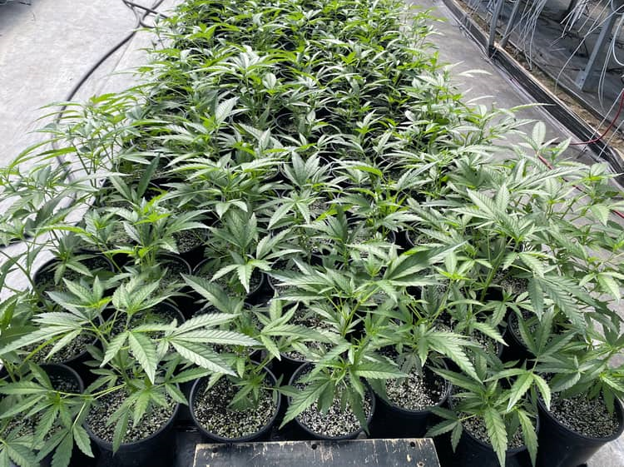
For licensed cultivators, retail-priced clones simply don’t scale. When you’re populating an entire flower room or planning a year of successive harvests, you need volume, consistency, and pricing that makes your unit economics work at commercial output levels. That’s where bulk clone orders come in: bulk-purchased, nursery-grown plants delivered at a price point built for commercial cultivation and sustained production schedules. Commercial buyers considering Wholesale Cannabis Clones need written expectations for quantity, size range, genetics, lead time, and delivery.
Define Batch Specifications
Commercial orders should be described in writing. Useful specifications include variety, quantity, acceptable size range, rooting medium, label format, estimated readiness date, and transport method. The buyer and supplier should also agree on how shortages, substitutions, and plants outside the standard will be handled. A detailed specification reduces assumptions and gives receiving staff a clear basis for inspection.
Confirm Capacity and Lead Time
Buying wholesale isn’t just about a discount. It’s about partnering with a clone supplier that understands your production schedule and can deliver the same genetic line, harvest after harvest, without variation between deliveries. Consistency is the single biggest advantage of clones over seeds at scale: every plant from the same mother behaves the same way, which means uniform canopy heights, synchronized flowering, and predictable yields. That predictability is what commercial cultivators sell to dispensaries and processors as reliable inventory.
Define Batch Specifications: Additional Considerations
When evaluating a clone supplier for wholesale supply, start with capacity. Can they deliver 500 clones next month? 5,000 the month after? A serious wholesale partner maintains a mother-plant library large enough to meet standing orders without cutting corners on plant health. Ask how many mothers they keep per strain and how often they refresh their mothers that are over-cropped, which produce weak clones with reduced vigor, poor rooting, and inconsistent phenotype expression that may hurt your final product. A dependable clone nursery should demonstrate that its mother-stock capacity and staffing can support recurring orders without lowering plant standards.
Coordinate Transport and Receiving
Large plant batches need stable containers, organized trays, temperature awareness, and a delivery window that matches the receiving team’s schedule. Staff should have enough clean space to count, photograph, label, and inspect the order before it enters production. A delay of several hours can matter when plants are waiting in a vehicle or loading area, so both parties should share contact information for delivery-day decisions.
Review Mother-Stock Planning
Testing is non-negotiable at the wholesale level. Reputable bulk clone orders come with pest and pathogen certificates covering hop latent viroid, powdery mildew, russet mites, fusarium, and pythium. Introducing a contaminated batch into a commercial facility can cost you an entire crop and force costly room sanitation cycles. Any wholesale clone supplier worth working with may provide up-to-date lab reports on request and pause shipments if anything in their library tests positive.
Build Health and Inspection Requirements
Logistics matter just as much as biology. Wholesale orders often involve hundreds of plants that need to travel together in climate-controlled trays. Your nursery should have a fulfillment process built for this scale: insulated pallets, refrigerated transport when required, humidity-managed crates, and clear delivery windows coordinated with your team. Late or heat-stressed clones set your production schedule back weeks and force you to rebook processing and sales commitments downstream.
Plan for Shortages or Delays
Living inventory does not behave like manufactured stock. Rooting can be uneven, weather can disrupt transport, and a health concern may require a batch to be held. Commercial plans should include backup dates, approved substitutions, partial-delivery rules, and an escalation contact. A supplier that communicates a delay early may be more valuable than one that hides a problem until the scheduled delivery date.
Coordinate Transport and Receiving: Additional Considerations
Pricing on bulk clone orders typically scales with volume. Expect tiered pricing based on quantity, with additional discounts for standing weekly or monthly orders. Beyond price, look for value-adds: dedicated account management, priority access to new genetics, custom mother-plant hosting, and flexibility on strain requests if you have proprietary cultivars that you want propagated exclusively for your operation.
Set Documentation Expectations
A strong relationship with a clone supplier becomes a competitive advantage over time that compounds year after year. As your operation grows, you’ll rely on them not just for plants but for genetic guidance on which cultivars are trending, which perform best in your specific climate, and which offer the yield-to-flower-time ratio your business needs to hit its numbers. Choose your wholesale partner carefully, verify their credentials, and treat them as a long-term collaborator rather than a vendor. That’s how serious cultivators keep their canopies full and their books balanced year after year.
Review Supplier Performance
After each order, the buyer can review punctuality, count accuracy, plant uniformity, label quality, transport condition, communication, and performance during acclimation. These records support future negotiations and reveal whether problems are isolated or recurring. A long-term nursery relationship should improve over time because both parties are learning from the same documented results.
Use a Written Checklist
A short written checklist keeps the decision process consistent. It can include legal verification, product stage, expected size, source information, transport timing, arrival photographs, environmental preparation, and the seller’s reporting policy. Written answers are easier to compare than memory, especially when several suppliers or products are being considered. The same checklist can be reused during receiving so that important details are not missed when the plant arrives.
Review the Plan After Arrival
The purchase should be reviewed after the first transition period. Buyers can compare the listing with the plant received, note how communication and fulfillment were handled, and record any adjustment problems. This review creates useful evidence for a future order and helps separate supplier-related concerns from conditions that developed later in the new environment. A simple record is especially valuable when several varieties or delivery dates are involved.
Final Thoughts
Commercial plant supply succeeds when biology and logistics are managed together. Written specifications, realistic capacity, organized transport, receiving records, and contingency plans protect the production schedule. Price matters, but consistency and communication often have greater operational value. A nursery partnership should be reviewed from order to order and improved through documented results rather than assumptions.


Happy
0 %

Sad
0 %

Excited
0 %

Sleepy
0 %

Angry
0 %

Surprise
0 %
 0
0
 0
0

More Stories
Medical Cannabis for Migraine Symptoms: Benefits, Evidence, Risks and UK Guide
Migraine is more than a severe headache. An attack can involve throbbing head pain, nausea, vomiting, sensitivity to light and...
Wooden Herb Grinder British Columbia: Purpleheart vs Bloodwood vs Canary Wood — Which Hardwood Is Best in 2026?
A wooden grinder is only as interesting as the wood it is made from. Purpleheart, Bloodwood, and Canary wood may...
Why Terea Italy Price Keeps Selling Out in Dubai
Why Terea Italy Price Keeps Selling Out in Dubai Table of Contents Introduction Terea Italy Price: What It Is and...
Understanding Vape Pens: What They Are and How They Differ from Other Cannabis Products
Vape pens are portable electronic devices designed to heat cannabis oil or other cannabis formulations into an aerosol rather than...
Australian Seed Bank, 420 Culture & Kush: Your Guide to Cannabis Seeds in Australia
If you’re looking for clear, reliable information on cannabis in Australia, you’ve probably come across terms like Australian seed bank,...
Buying Tobacco Products Online in the UAE: What to Check Before You Order
Many adults in the UAE are switching their routines between vaping, combustible smoking and heated tobacco as different formats become...
Average Rating